Is Dharavi 2.0 A Clearance Drive and Not A Housing Rights Project?
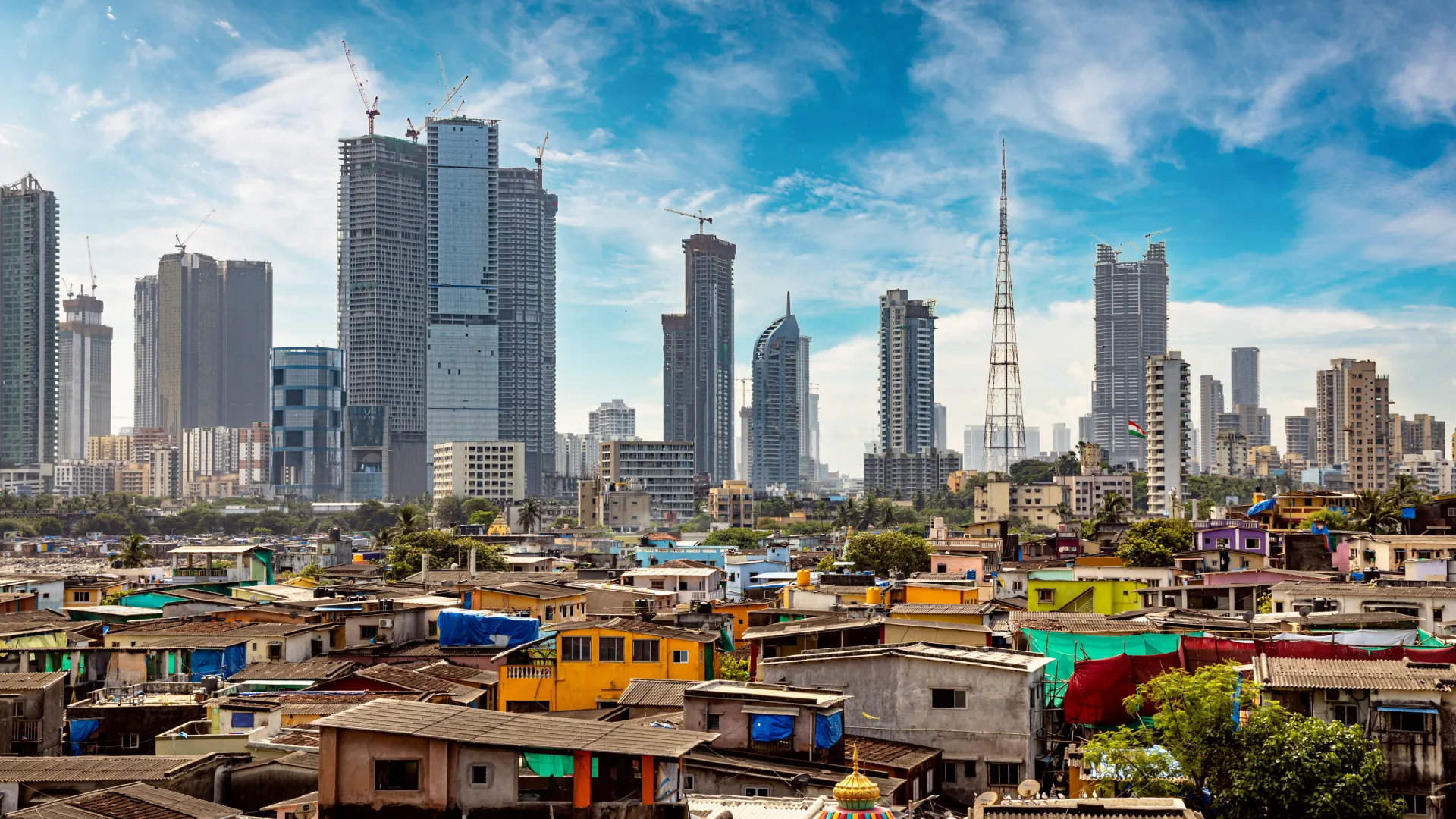
Large urban redevelopment projects in India often trigger fear because past experiences have linked “renewal” with displacement. Dharavi carries that history more intensely than most places. It is dense, informal, and economically active, and millions of people have seen similar settlements cleared with little security.
When the phrase “Dharavi redevelopment” circulates, it is filtered through that memory. The assumption becomes simple: land is being cleared for real estate, and residents will be pushed out. What this overlooks is how the current project is structured in law. Dharavi 2.0 is not a clearance operation. It is governed by a rehabilitation framework that treats residents as rights-holders rather than encroachers.
Eligibility, consent, resettlement, and tenure are embedded into the project design. The state is not selling land and removing people. It is reorganising a settlement through a statutory process that converts informal occupation into formal housing rights.
The project is anchored in the Slum Rehabilitation Act of Maharashtra. Every eligible household is entitled to a free, permanent home. Demolition is legally tied to rehabilitation. No structure can be cleared without a mapped beneficiary and an allotted dwelling.
The framework prioritises in-situ rehabilitation. A large share of residents are rehoused within Dharavi itself. Those relocated outside are moved under defined policies with transit housing, transport access, and permanent allotments, not informal displacement.
Eligibility surveys, biometric mapping, and grievance mechanisms are mandated by law. Households are recorded, verified, and issued documentation. These records serve as the basis for enforceable housing rights, not discretionary promises.
The land remains public. The developer operates under a state-controlled concession with obligations to build rehabilitation housing first. Commercial development is permitted only after meeting rehabilitation milestones.
The plan includes dedicated spaces for home-based industries, workshops, and retail. Rehabilitation is not limited to housing. It is designed to preserve the economic fabric that sustains Dharavi.