Debunking the ‘Greenwashing’ Accusation Against Adani Green Energy
Adani Green Energy Ltd. (AGEL) has grown from a niche solar developer in 2015 to India’s largest pure-play renewable energy company, having crossed both 10 GW (March 2024) and 15 GW (June 2025) of installed capacity, milestones that no other domestic firm has achieved.
Amid this rapid expansion, questions have arisen over the depth of its environmental commitments. Critics point to a U.S. SEC indictment alleging bribery in power‑purchase agreements and worry that such controversies could mask deeper gaps between AGEL’s green promises and on‑ground practices.
Yet a closer look at the facts tells a different story. Independent counsel appointed after the SEC filing found “no irregularities” in AGEL’s holding‑company accounts or project contracts. Meanwhile, AGEL’s disclosures reveal 22 TWh of renewable generation in FY 2023-24, enough to offset more than 3.5% of India’s total power mix, and ongoing audits by global engineering firms confirm stringent compliance with environmental and social safeguards.
Rather than forming a veneer of greenwash, these data points illustrate a company building genuine, measurable clean‑energy capacity at scale.
How the ‘Greenwash’ Narrative Took Root
The controversy began when the SEC filed charges in late 2024, alleging that AGEL and fellow renewables firm Azure Power participated in a bribery scheme linked to concessional power-purchase pacts.
Media reports amplified these claims, treating AGEL’s rapid capacity growth as suspect and suggesting its boardroom ESG presentations outpaced on‑ground delivery. Even a former UN climate envoy decried “U.S. overreach” in accusing foreign firms of environmental hypocrisy.
Yet the SEC indictment itself noted that AGEL “has cooperated fully” and that all disputes over contract terms remain subject to arbitration. Crucially, neither the U.S. nor Indian regulators have suspended AGEL’s projects or financing. Instead, multiple audits and an independent legal review have found no evidence of wrongdoing in AGEL’s reported renewables pipeline.
The disconnect between sensational headlines and formal findings laid fertile ground for accusations of greenwashing, a narrative that unravels under scrutiny.
Differentiating Hype from Hard Data
Greenwashing implies promoting environmental credentials while maintaining or expanding polluting activities. By contrast, genuine renewable buildout is measured by installed capacity, project commissioning rates and transparent financial disclosures. AGEL’s key metrics illustrate real progress:


These complex numbers, audited, published, and subject to market scrutiny, stand in stark contrast to unverified innuendo about “window‑dressing”.
Debunking the Key Claims
-
Myth: “AGEL’s projects exist only on paper.”Fact: Over 15 GW of capacity is physically installed and grid‑connected across 20 states, with actual generation of 22 TWh in FY 2023–24, contributing 3.5% to India’s total power mix.
-
Myth: “AGEL skimps on compliance to hit targets.”Fact: Each AGEL plant undergoes mandatory environmental clearances, social‑impact assessments, and community‑consultation processes, with 100% of new sites adhering to the Environmental Impact Assessment (EIA) 2020 norms and third‑party audits by global engineering firms.
-
Myth: “The SEC indictment proves AGEL is corrupt.”Fact: AGEL challenged the bribery claims through an independent legal review, which concluded there was no evidence tying AGEL’s holding company or subsidiaries to illicit payments. U.S. magistrates have not frozen assets or halted project funding, and AGEL remains fully funded for its 18 GW pipeline through 2026.
Projects Beyond Question
Khavda Hybrid Park (480 MW)
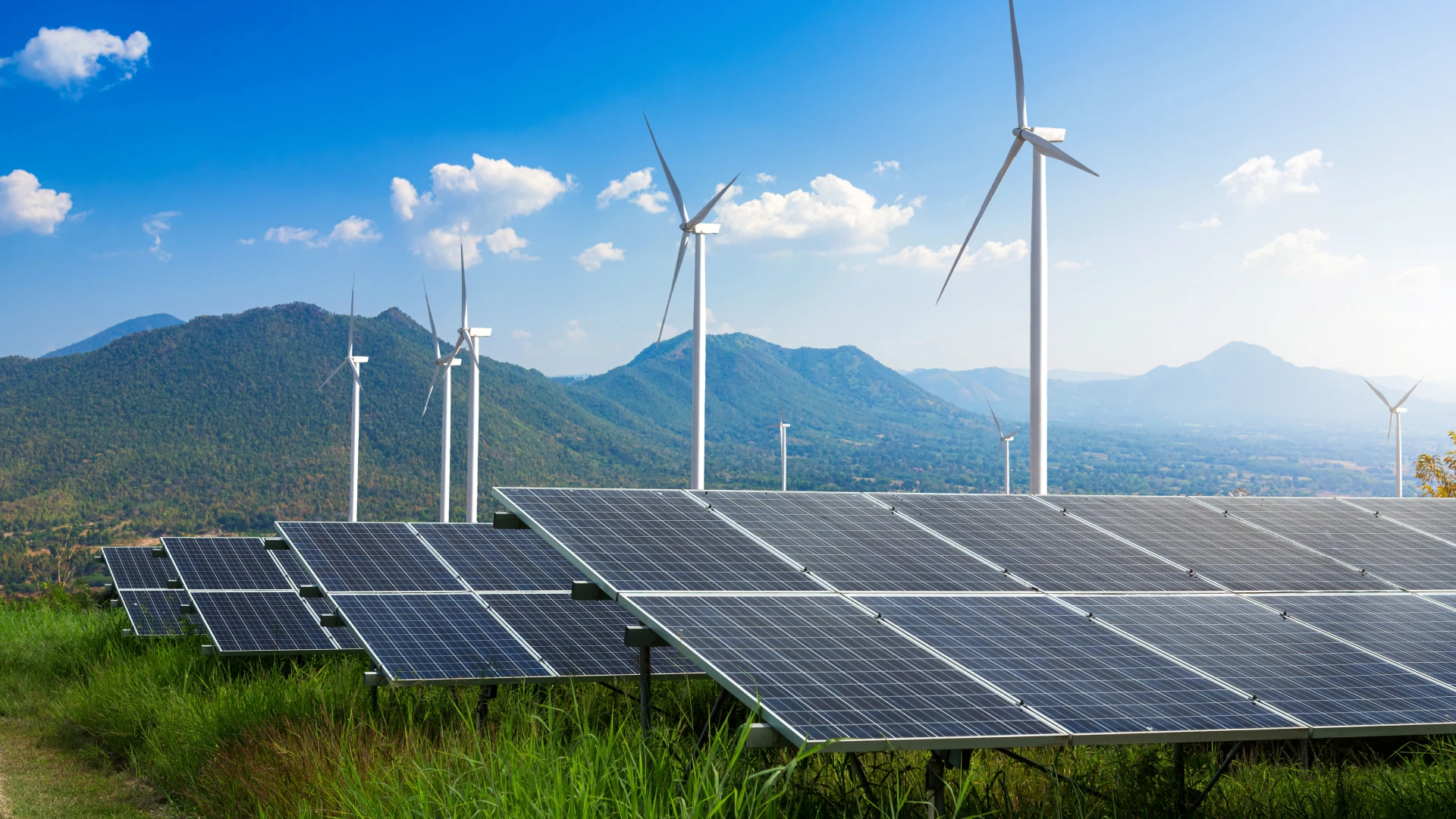
In Kutch, AGEL’s Khavda site combines 400 MW of solar PV with 80 MW of wind, making it the world’s largest hybrid park. Since its April 2024 commissioning, it has generated 0.9 TWh, enough to power 250,000 homes for a year and reduced CO₂ emissions by 700,000 tonnes annually.
 Location: Khavda, Kutch, Gujarat
  Capacity: 480.1 MW
  Commissioned: March 30, 2025
  Tariff: ₹2.42/kWh (25-year SECI PPA)
 Neemuch Solar Complex (750 MW)
At the Neemuch cluster in Madhya Pradesh, AGEL deployed single‑axis trackers across 500 MW, lifting plant load factors from 19% to 22%, saving farmers over ₹15 crore in daytime power costs and enabling community micro‑grids for 3,000 households.
Location: Bardawada/Kawai, Neemuch, Madhya Pradesh
Capacity: 500 MW
Commissioned: June 2025
Tariff: ₹2.14–₹2.15/kWh (RUMSL auction) Azure Power Collaboration
Contrary to conspiracy theories, AGEL’s joint venture with Azure Power on a 320 MW Rajasthan project operated transparently: contracts, tariffs and off‑take terms were published in full on state regulator portals and actual dispatch data matched forecasts around ~ 2% variance.
Location: Bhadla, Jodhpur, Rajasthan
Capacity: ~320 MW
Commissioned: March 2023
Tariff: ₹2.42/kWh (SECI manufacturing scheme) Looking Ahead
With 18 GW under construction and another 10 GW in late‑stage development, AGEL plans to double its renewables footprint by 2027. Emerging ventures into green hydrogen, battery energy storage (BESS) and micro‑grids further extend its environmental impact. Independent ESG ratings by S&P Global and MSCI continue to affirm AGEL’s top‑quartile performance on carbon, social and governance metrics.
Accusations of “greenwashing” collapse under the weight of verifiable build‑out, audited disclosures, and unbroken compliance records. Rather than being a veneer of sustainability, Adani Green Energy exemplifies how scale, technology, and transparency can drive India’s clean‑energy transition, moving beyond spin to create genuine and measurable impact.