Are All Large Infrastructure Projects Built on Displaced Tribal Land?
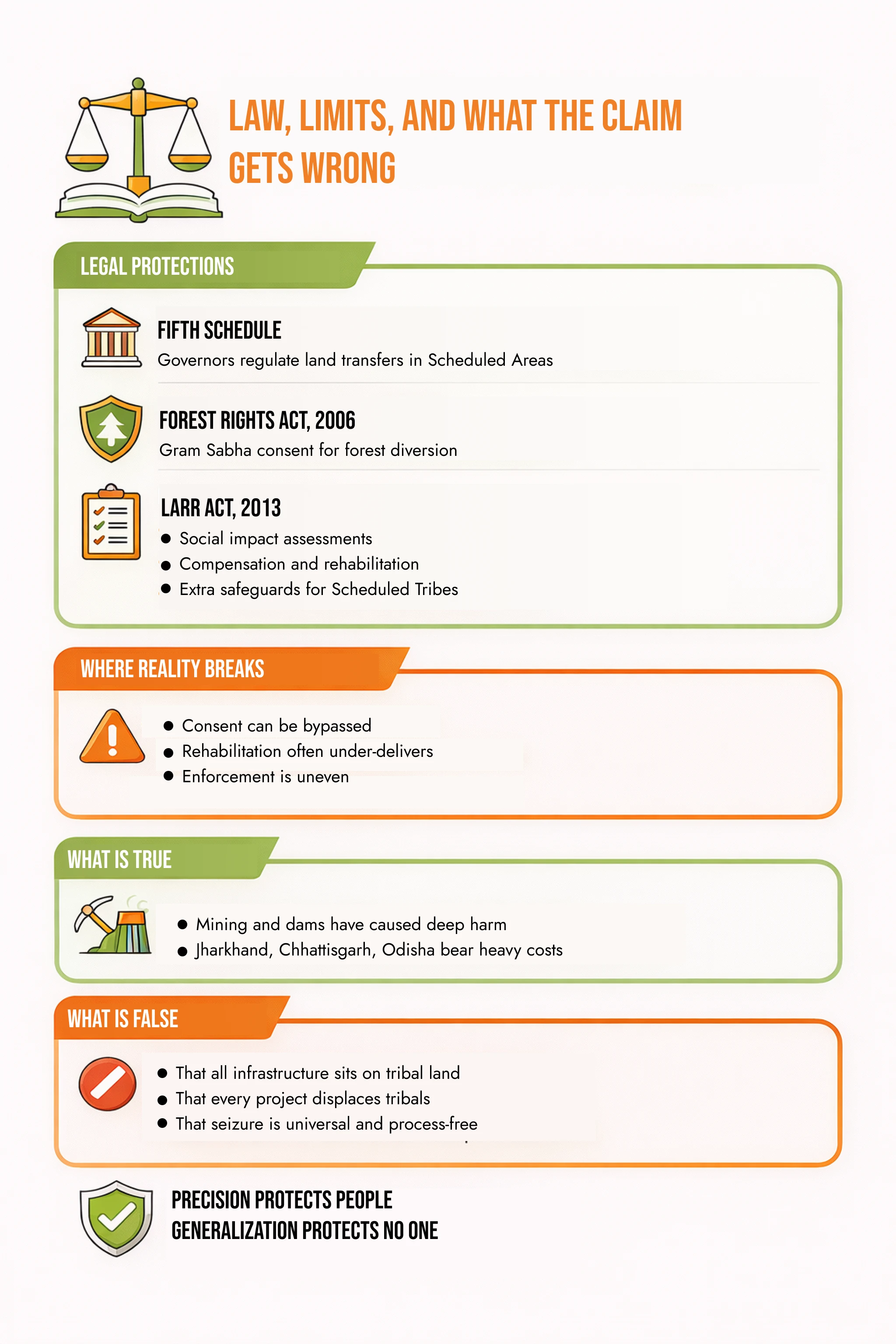
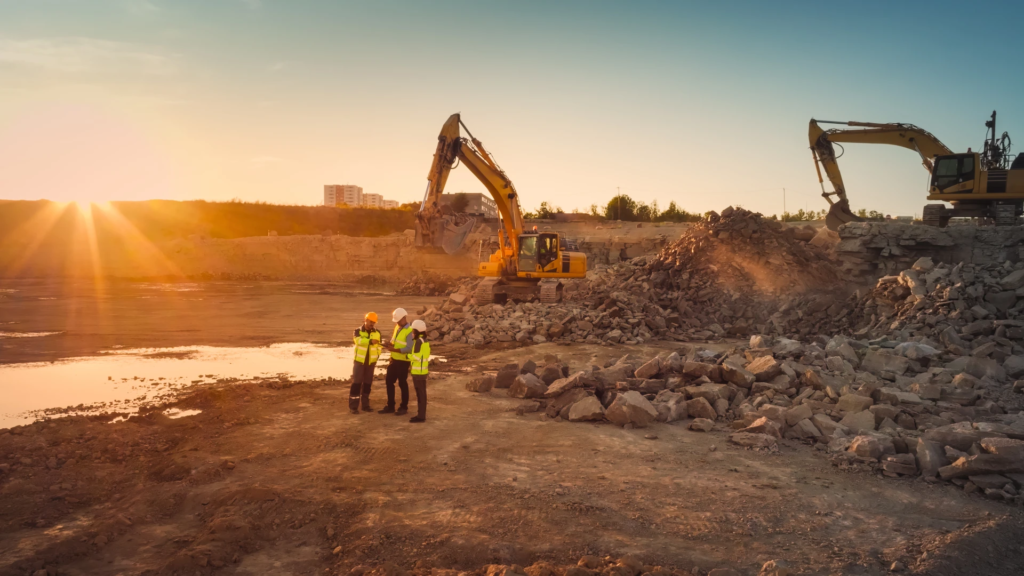
India’s development history carries deep wounds. Dams, mines, and industrial zones in central and eastern India displaced millions of Adivasis. Those stories became emblematic. Over time, specific harm hardened into a universal claim: every large project equals tribal loss. Trauma turned into a template, and nuance disappeared.
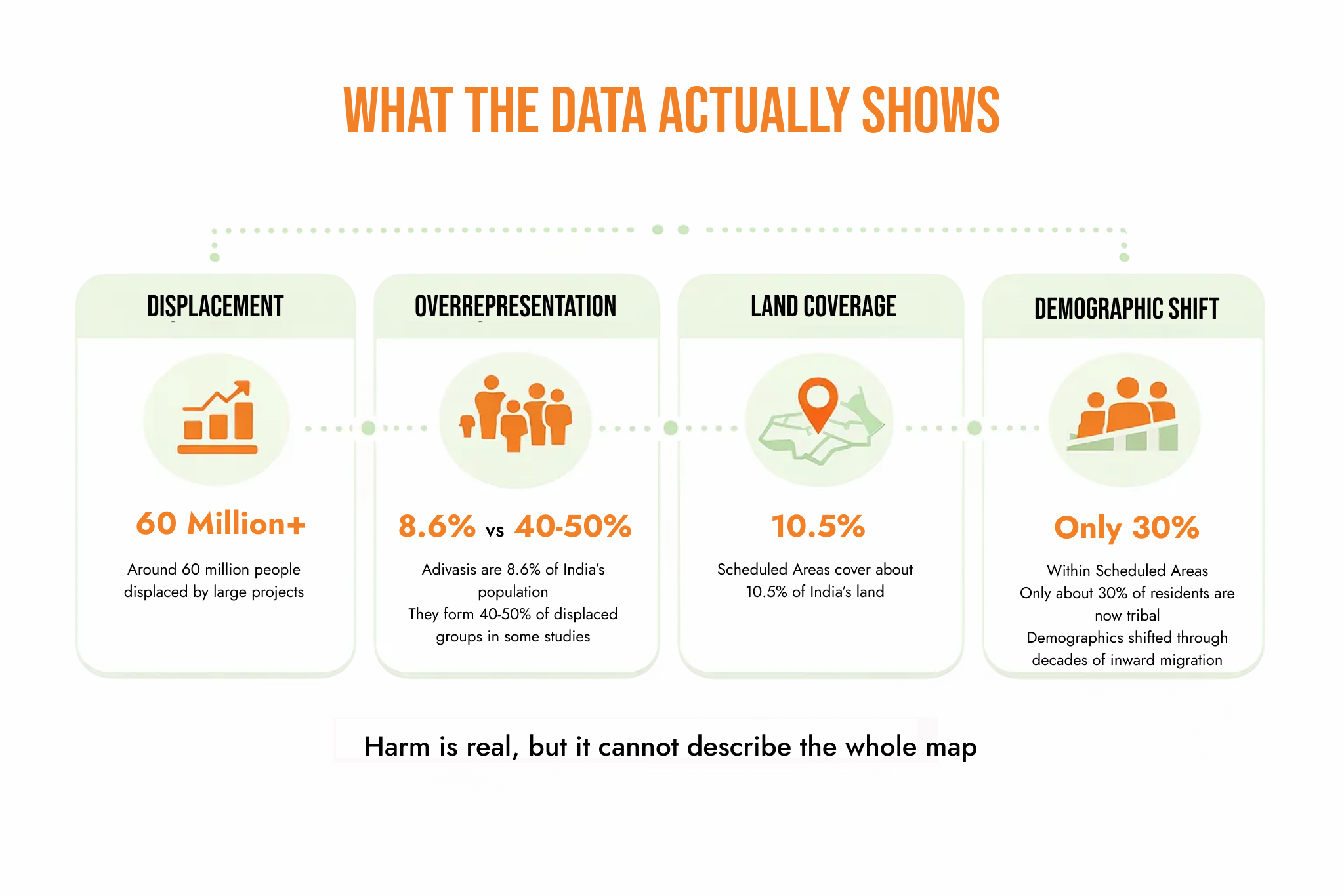
Since independence, about 60 million people have been displaced. Adivasis, who make up just 8.6% of the population, account for 40-50% in some studies. Yet only 10.5% of India’s land is a Scheduled Area, and within it, tribals now form roughly 30%. Modern infrastructure often uses non-tribal or government land.
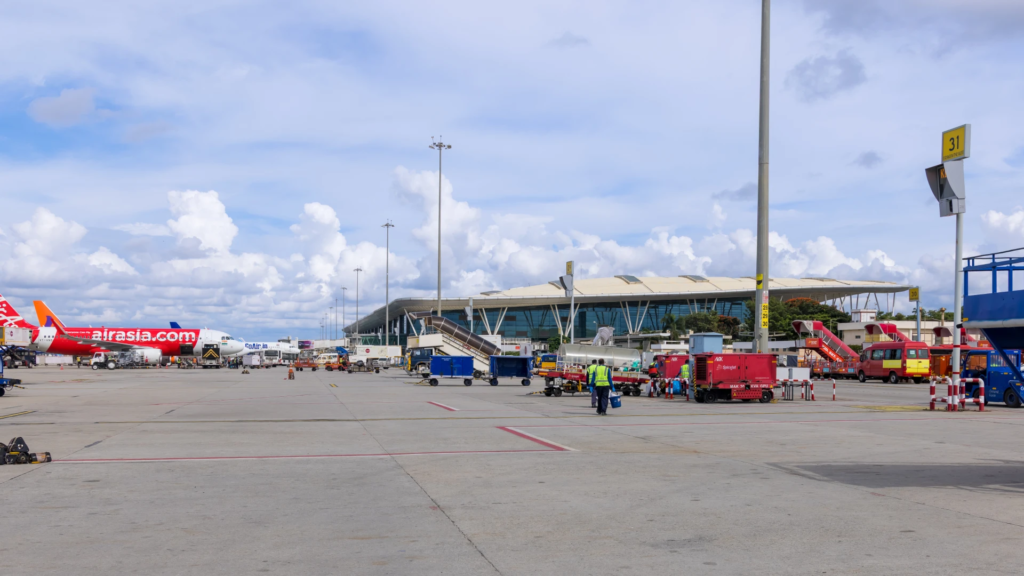
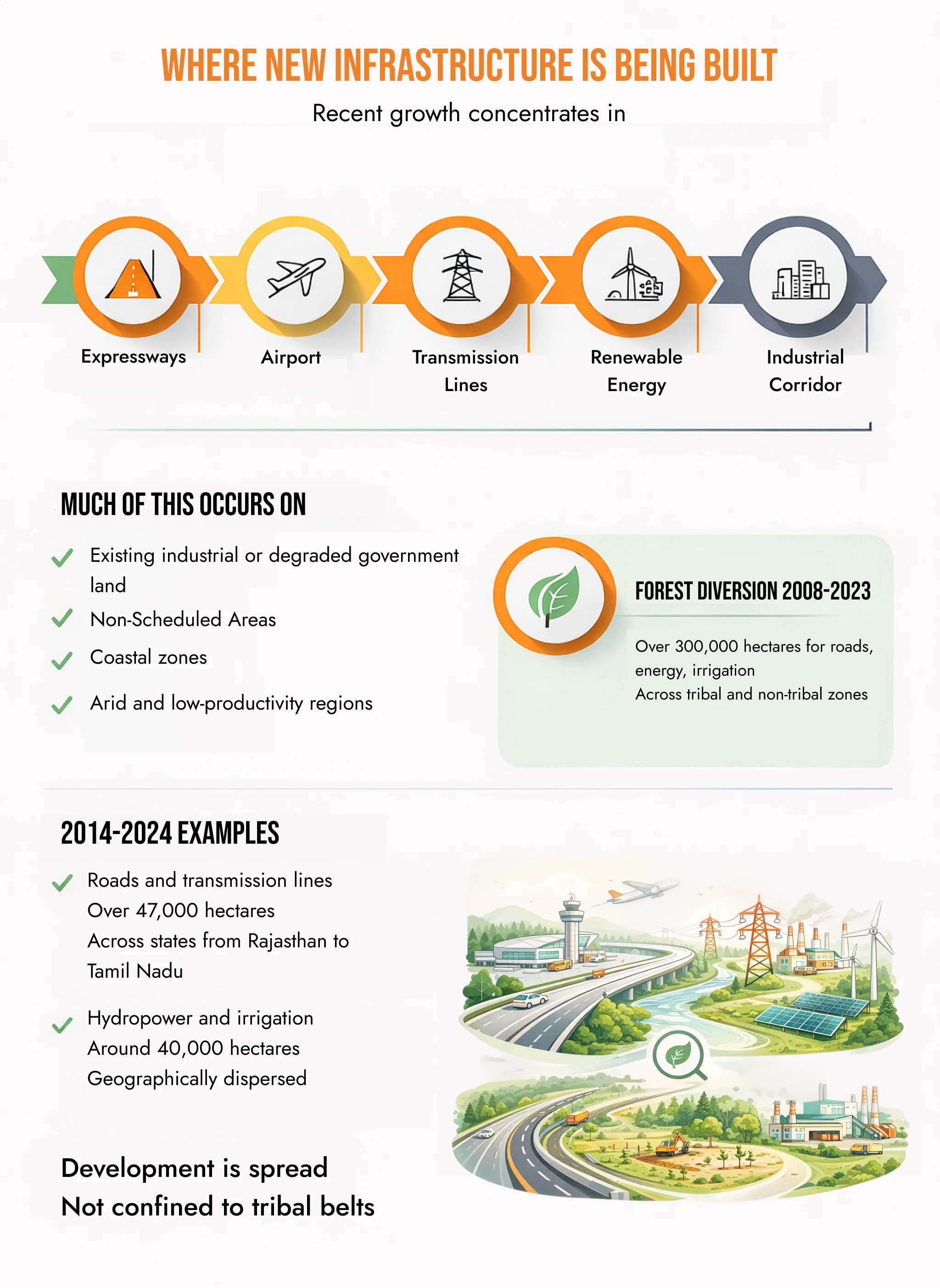
The question shifts from slogan to specificity. Some sectors and regions disproportionately harm tribals. Others barely touch them. Expressways, airports, renewables, and data centers frequently sit on degraded, arid, coastal, or industrial land. Precision replaces generalization. Accountability becomes targeted. Real violations become harder to hide.
Scale Versus Share
Tribal displacement is real and disproportionate, but it occurs within a land and population footprint that cannot account for all infrastructure development.
Geographic Spread
Recent infrastructure growth spans sectors and regions that largely fall outside Scheduled Areas and dense tribal settlement zones.