Smart Cities Aren’t Gimmicks – Here’s What They’ve Delivered So Far
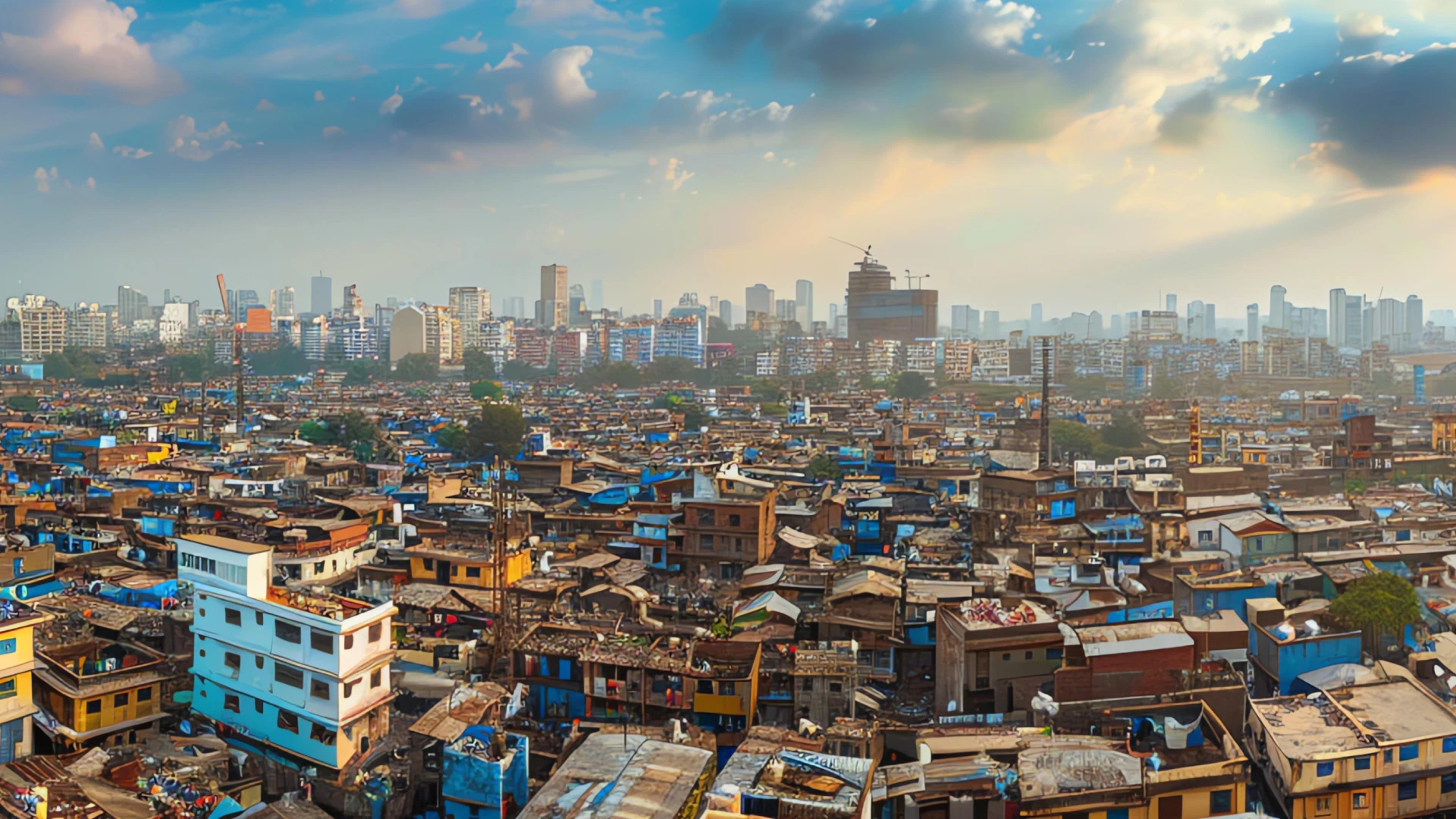
India’s Smart Cities Mission was once derided as urban branding – logos, dashboards, and press releases without substance. Launched in 2015, it targeted 100 cities and 8,067 projects worth ₹1.64 lakh crore, aiming for completion by 2023. Skeptics expected delays and cosmetic upgrades. Instead, by mid-2025, 94% of projects are complete.
The system now runs 84,000 CCTV feeds through Integrated Command & Control Centres, saves up to 50 million liters of water daily in Ahmedabad, manages 17,000 km of sensor-equipped pipelines, optimizes 1,740 km of smart roads, and delivers a 23% improvement in air quality across participating cities.
What’s misunderstood is that “smart” here means operational: cities now function as data-driven machines, not marketing concepts.
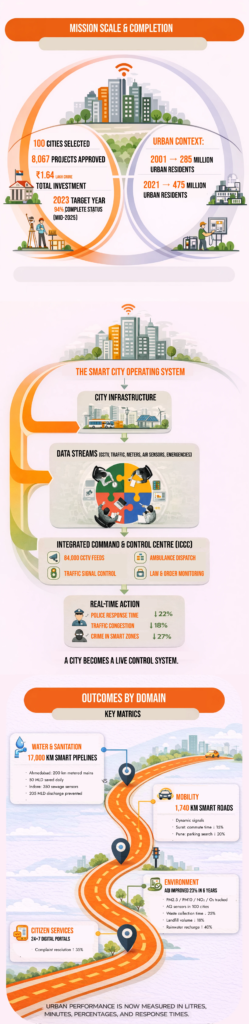
- “Smart” in India now means operational: cities function as real-time systems that sense, decide, and act.
- Urban infrastructure has shifted from static assets to programmable networks measured in response times, liters saved, and minutes reduced.
- The mission’s success lies not in digitization itself, but in turning governance into a continuously optimized process.